Archive for the ‘Baby You’re a Rich Man’ Category

no sex love hotel

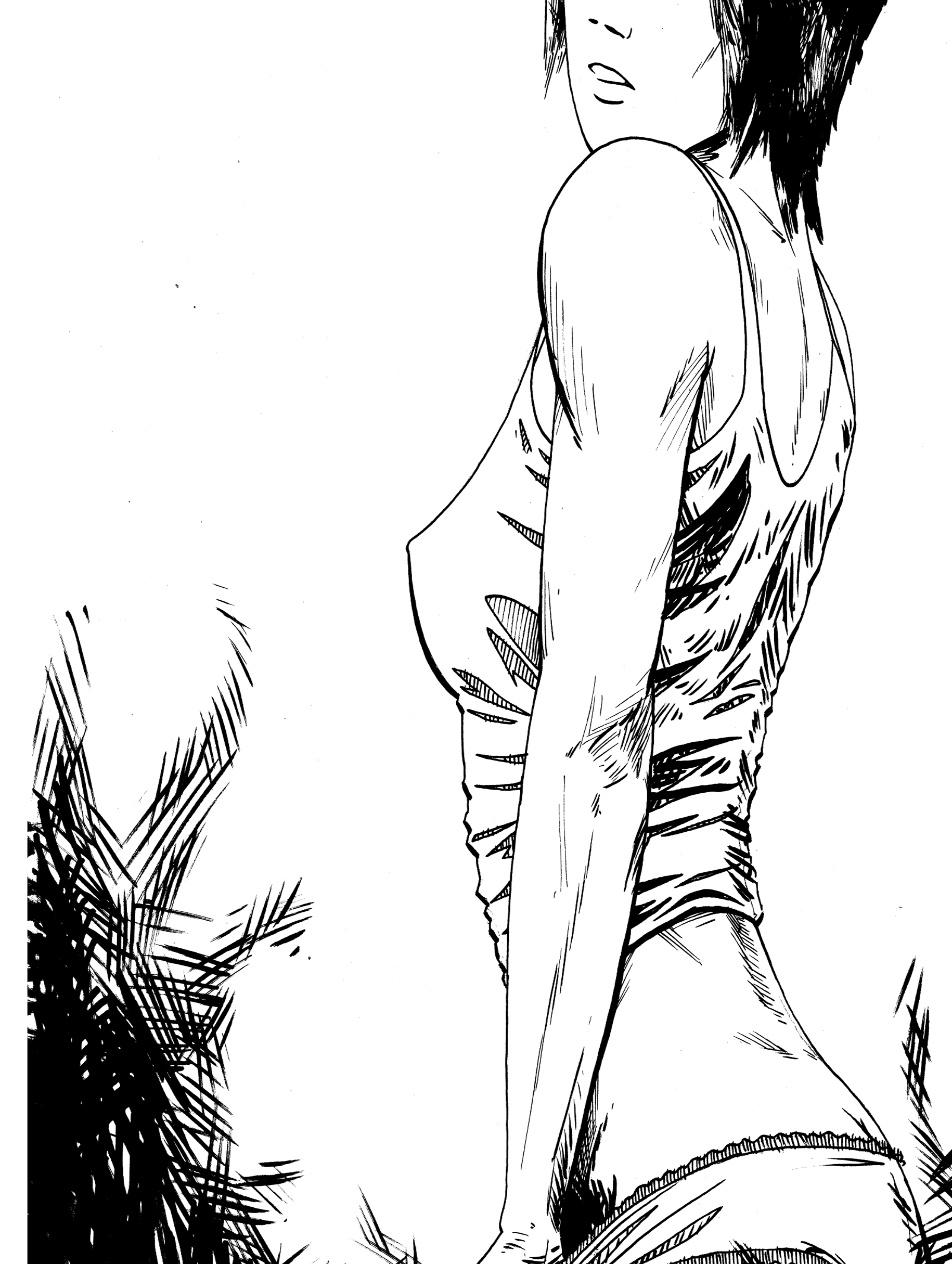
Illustration by Max Currie

The last time he’d been in a love hotel he shared a bed with Monique. The day ended with a surgeon trying to piece together the puzzle that had become her face.

Comment ça va, Monique?

Kent first met the Quebecois expat at a club opening in Shibuya. He smiled at his good fortune. He’d never cheated on Kumi, but flirting with beautiful women was part of his job. And at 5’11”, with blond hair to the middle of her back, the woman from Montreal glowed a ghostly white in the club’s darkness. She seemed to believe that Kent might serve as a springboard for a career in television and the movies. He let her believe it, though he couldn’t do much for her. He worried enough about his own career. His role on The Strange Bonanza kept his bank account healthy, but he was being offered fewer and fewer roles beyond his regular gig. His renditions of

“Yesterday” and “Imagine” were included in the script less and less. Negotiations for the nighttime drama he hoped for had stalled, and Lark had not renewed his endorsement contract. That went to Ozman, smoke streaming from his ears in the train station advertisements. Kent sold the cigarettes with class, at least in the beginning, before they asked him to wear chaps and a cowboy hat on a horse in a fake desert. In the beginning, he wore a gleaming blue suit as he swaggered down Tokyo streets. Kent looked a giant, his walk of success photographed at street level, an angle that reminded Kent of John Travolta’s opening scene in Saturday Night Fever. His gait was like an alien’s who had conquered the city as pedestrians, frozen in the still shot, stepped aside and pointed in recognition and awe. That’s RI-CHU-MAN-SAN! and he smokes Lark! He knew the whole scenario meant little, but believed the approach did the trick. The next time smokers, particularly men, went for a pack at a vending machine, they would hear that groovy song and recall Kent Richman striding down the sidewalk. They’d press the button under Lark and, for a moment, believe they were that cool.

Ozman, on the other hand, looked ridiculous, a cartoon, a clown with smoke shooting from his ears. Who wanted to see that? Who wanted to be that guy? By sleeping with Monique, Kent had returned Ozman’s many insults and cautioned him that the RI-CHU-MANSAN! brand still held some sway in Tokyo. Two months later, Kent and Monique were still seeing each other, still cheating on their spouses.

Bullet

KumiKent returned each evening to his capsule with bloodshot eyes and a headache from staring at a computer screen all day. Outside, he wore out his eyes scanning the faces of every woman he passed on the street, in a store, a park, or a train station. Occasionally, on a crowded train or in a queue for a movie—evenings in which he sat alone with his popcorn and soda, wondering if Kumi were in the audience with her own popcorn and soda, falling asleep like she did through every movie they ever watched together—he spotted a “Kumi.” Kent looked at the world around him so carefully he wouldn’t have been surprised to see her anywhere nor would he have cared how she appeared to him, via the swirl in his coffee or a puffy white cloud, as an angel or in the guise of a child. Perhaps she’d speak to him from the big screen, step right out of the celluloid and into the theater, a holographic Kumi, her voice full of reverb, an image of dancing light. Some of the “Kumis” Kent spotted had straight, dark hair, subtle figures and benign smiles; others in zero-sized blouses above capri pants and enormous platform shoes that left them bowlegged and clumsy, eye shadow and expensive perfumes; a few wigged devotees of cosplay.

Cowboy

Illustration by Max Currie

Kent first met Kumi at a charity photo shoot. She wasn’t out of her teens when she’d begun modeling for shampoos, soaps, creams, and lotions, whatever product her agency could negotiate. She bore an innocence in her face people couldn’t get enough of. They believed her. Kent met her in a green room before the photo shoot. He’d seen her print ads. He knew she was going to be something rare, someone you didn’t forget. She was taller than the other girls and sure of herself, already a professional despite her age—as if she knew all along what she’d become. The press called her neko-chan—little cat—because of the way she walked.

She peeled a tangerine.

Even now, Kent was surprised by how much he remembered, the sweetness of that fruit that lingered in the room. The talent waited for a group photo shoot—a charity event they had committed to, and the whole room was filled with the sharp smell of tangerine. Kumi focused on the fruit, as if nothing else mattered—this girl, still a teenager, surrounded by adults, veteran actors, and models. Celebrities everywhere, but Kumi was oblivious to it all. She was young but at the same time grown-up. One minute her tongue was lodged in the corner of her mouth and she bit at her lip as if her job that day was to peel that tangerine. The next she was texting someone on her cell phone with a slice of fruit in her mouth.

Kent knew Kumi noticed him watching her—she was used to people watching, a lot. Everyone—everyone—knew who she was. But she sat there and moved tangerine slices around on a napkin in her lap as if she didn’t notice. She picked up a juice box and slurped at it. Then she gave him the slightest smile; and however subtle, there was kindness there. Kumi was known for her pout, which Kent first believed was phony, a part of the role she played for photographers. He soon realized it was a gesture she was unconscious of. Her bottom lip was always swollen and red from biting it. Makeup artists complained that they couldn’t hide it. Directors and photographers couldn’t get enough of it.

Kent imagined Kumi by the bar door, Hey, cowboy, her forehead to its glass as she stared out into the street and smoked a cigarette.

Ku… mi… ko…

To acknowledge the sound of each syllable, so unlike its brothers and sisters, such a solitary sound, equal in emphasis but peerless in combination. Not ka or ki, but Ku. Not ma or mu, but mi. And finally, the character for child, that also told you she was a sheko.

There were fifty-five characters in the hiragana syllabary, but there was only one combination that formed Kumiko: forever beautiful child.

Bullet

BYARM_7

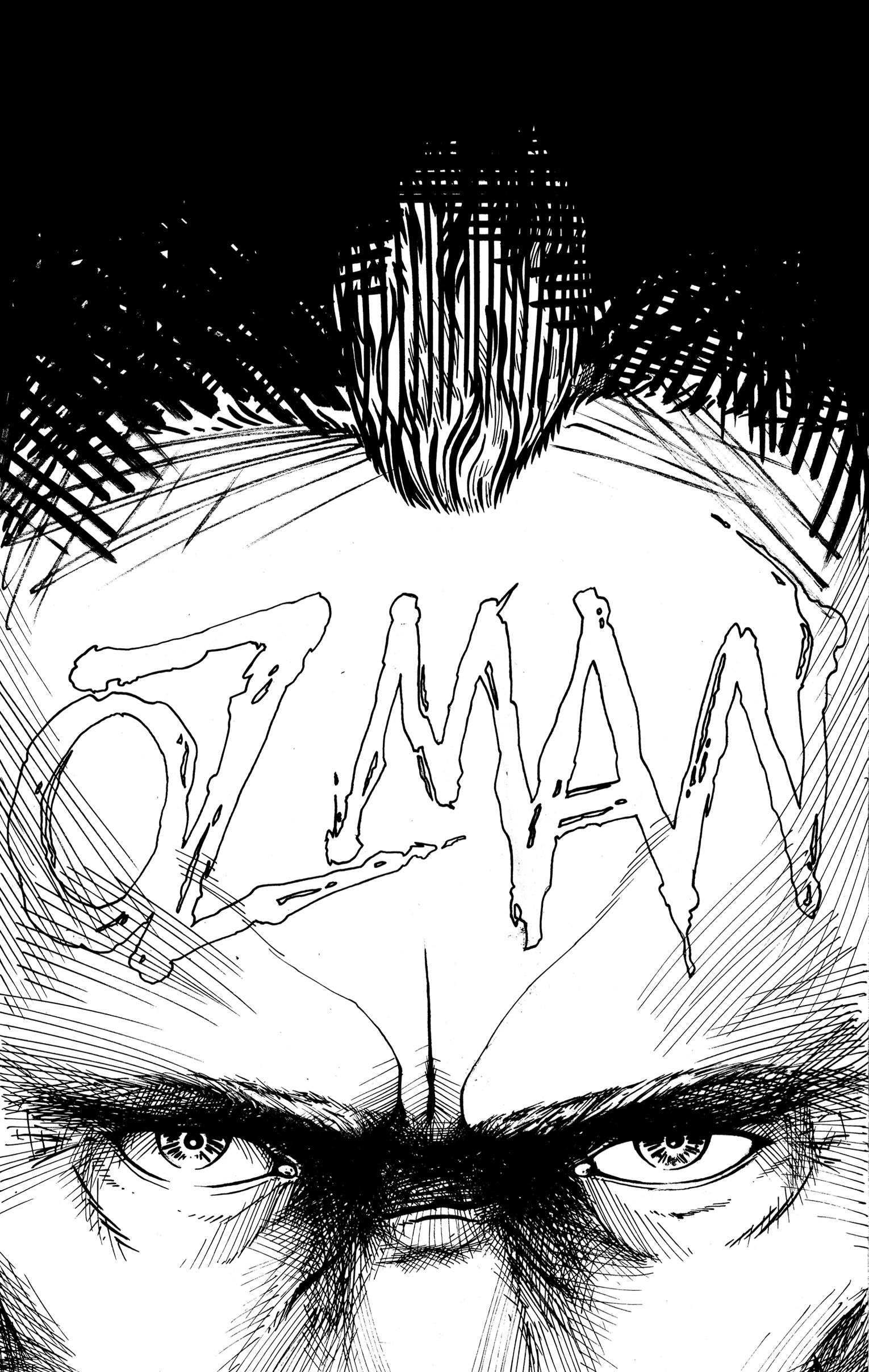
Illustration by Max Currie

Someone switched the television back to the celebrity gossip program, which now flashed images of Ozman: popular grinning mug shot, publicity stills from Airship Japan, manga and other comic likenesses of the shock comic in full howl. Ozman had been sentenced to fifteen years in a Japanese prison. Fans, however, had decided that what happened with Kent and Kumi was another of Ozman’s shockwaves, as they had taken to calling his outrageous stunts. Instead of a needle through his cheeks, he’d put a bullet through his wife’s face.

“Shockalicious!” hailed the Tokyo Journal.

“Mohawk with a Bullet,” wrote The Japan Times.

“Cock of the Shock,” proclaimed Robot Monkey.

Reports of Ozman sightings popped up on internet fan sites following his arrest, and blogs scrolled with theories of the Australian’s imminent return. T-shirts with Ozman’s face in an open-mouth assault were sold in the Koenji Flea Market. One read “Brain Salad Surgery, another “Use the Illusion,” yet another “Like a Hole in My Head.” New legions of shock comics turned up on variety shows. One ambitious young Japanese tried to run a coat hanger in and back out both sides of his nose on live television but put himself in a wheelchair, his basic motor skills gone. When the thin wire hit his brain, the amateur comic fell to the stage floor, flopping around like a fish. The audience went wild with laughter.

Bullet

BYARM_11

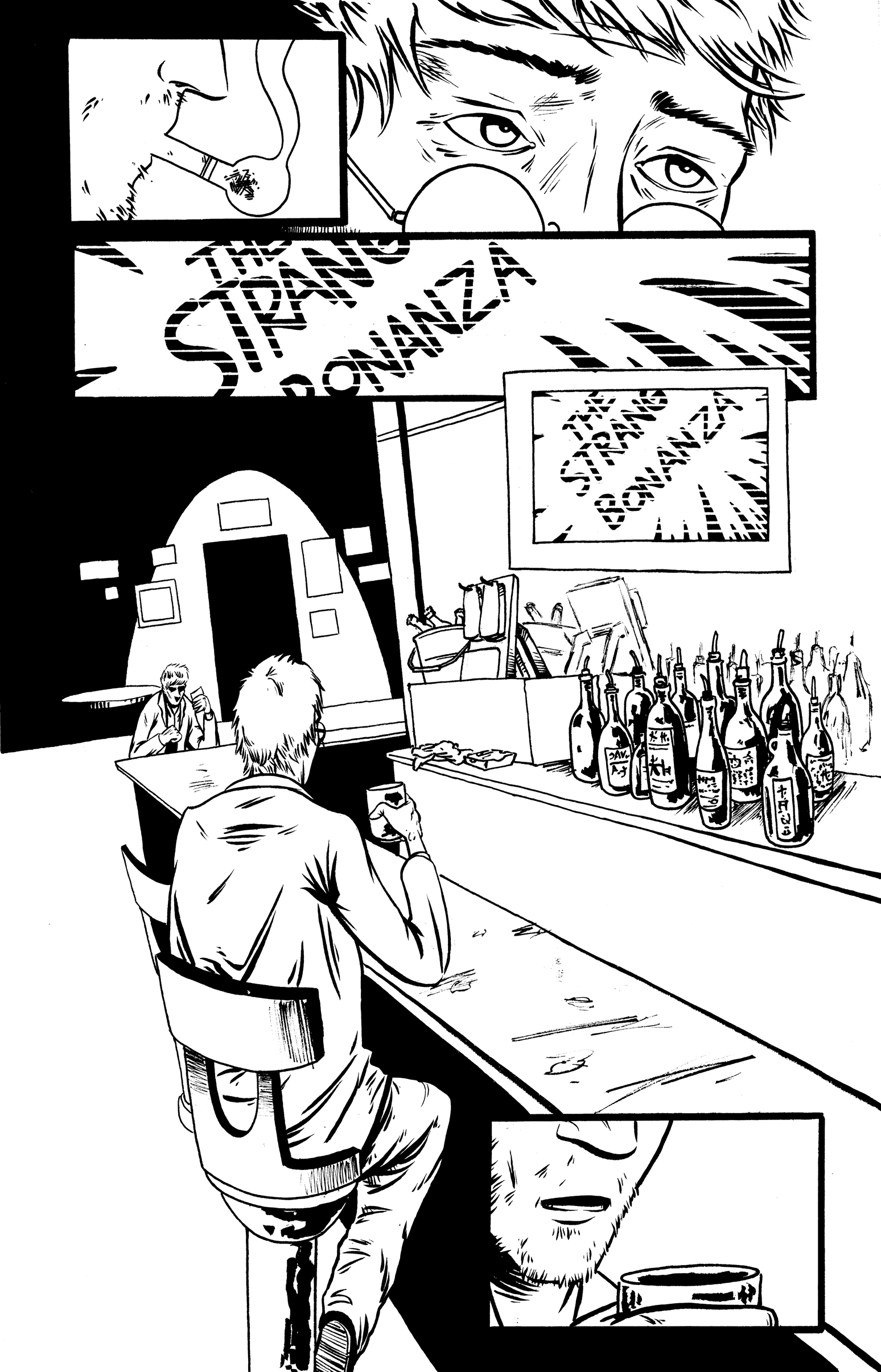
Illustration by Max Currie

The woman beside him was unremarkable save for layers of makeup over an acne scarred face and an amateurish attempt to dress Tokyo. The Japanese were fond of the expression: the nail that sticks up gets hammered down. Kent guessed this woman had been hammered back into place a few times. Her eyes were shadowed in amber, eyelids brushed with glitter. Her lips painted chocolate. Her hair straight and long, frosted with streaks of vanilla and brown, the tips rust colored. Platform shoes lifted her to five feet seven inches. She smoked menthols, lipstick staining the filter, a light chocolate frosting passed from mouth to cigarette and glass. The cigarette never left her fingers, a sixth digit on her hand, practiced at remaining in flight as she smoothed her hair down or dabbed at her mouth. She held her drink with the same hand, inhaling between sips of her Calpis and vodka, tapping her ashes to the floor. When she talked, she looked over Kent’s shoulder but never at him, as if ready for someone more promising to turn up in the Club Tamarindo.

Bullet

As the show’s host prepared to segue into a commercial, they reran another clip of The Strange Bonanza. On the television, a rail-thin goof in enormous black glasses screamed, RI-CHU-MAN-SAN! as Kent’s trademark loop played: a hip-hop mash-up highlighted with beatboxing and a chorus of soulful women singing: Baby, you’re a rich man! Kent didn’t remember just when he’d abandoned any sense of control over his career, but he guessed it might’ve been when that loop was created. TV Kent dropped his head, his Lennon glasses perched at the end of his narrow Roman nose, and smiled. The audience clapped and cheered on cue.

Bullet

Life Imitates Art: Boy, seven, kills brother while copying pro wrestling moves, the newspapers reported.

The doctors explained to Kent’s dazed parents that a direct blow to the chest directly over the heart at a particular time in the heart’s cycle can produce catastrophic consequences, something called commotio cordis, a form of ventricular fibrillation. The heart’s electrical activity becomes disordered and its lower chambers contract in a rapid, unsynchronized way, allowing little or no blood to be pumped. Collapse and sudden death can follow, which it did. Such cases are rare and always tragic, he told them, sorry he couldn’t do more. If only—

For weeks, seven-year-old Kent Richman, of Chapel Hill, North Carolina, had been famous, the story rippling across the country to cries of disgust, sparking debates about the effects of television violence on children. Kent was the example de jeur for Parents Against Violence on TV, who used his case in congressional hearings and in television ads, and even tried to coax his parents into joining them on nationwide tour to promote responsible television viewing. Kent had been big in America long before he was big in Japan.

Bullet